T20 World Cup
India already holds the T20 World Cup. BBC Sport’s report from the final in Ahmedabad in March still reads like a statement of intent: a 96 run win over New Zealand, built on Sanju Samson’s 89 off 46 balls, Ishan Kishan’s 54 and Abhishek Sharma’s 52, that made India the first side to defend the men’s T20 title. Since then the squad has gone through its own version of a transition, and it is that transition, not the World Cup itself, that is shaping which names matter most heading into India’s next assignment.
That assignment is a five match series against the West Indies that opens at Lucknow’s Ekana Stadium on 6 October, then moves to Ranchi, Indore, Hyderabad and Bengaluru through to 17 October. Series like this are exactly where the odds move fastest, and fans comparing betting sites India relies on for cricket coverage will find most of the current markets quoted in decimal terms, the format used across the subcontinent, rather than the fractional pricing more familiar in the UK.
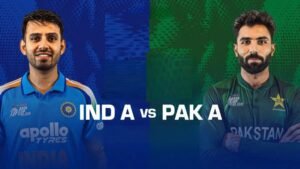
Shreyas Iyer took over the T20I captaincy from Suryakumar Yadav in June, and the start was rough: series defeats to Ireland and England left him with six losses from his first seven games in charge, ending a run of sixteen straight series wins for India in the format. The turnaround came through Zimbabwe, where India won 3-0, and continued on Saturday with a gold medal final win over Pakistan at the Asian Games in Japan. Iyer told reporters this week that winning the series matters more than experimenting with the XI, because players who are unsure of their place “start questioning themselves, questioning others around the dressing room.” That caution is exactly why the series against West Indies matters: it is where the three players most likely to define India’s next cycle will get their clearest look yet.
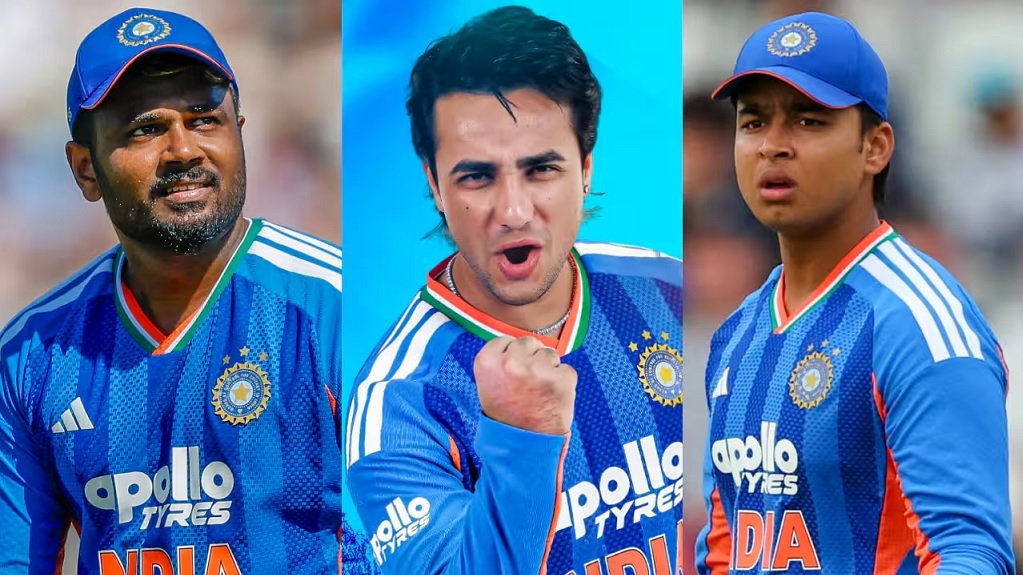
Vaibhav Sooryavanshi is the one generating the most attention. The teenage opener top scored in the Zimbabwe series with 151 runs across three games, playing the kind of fearless cricket that persuaded the previous coaching staff to field him alongside Abhishek Sharma at the top of the order even on tracks that demanded patience. Iyer has already said in public that Sooryavanshi is “a very charming, sweet guy to interact with,” adding that “when his time comes, he is going to dominate Indian cricket.” Abhishek Sharma, for his part, is no longer a promising name waiting for his moment. He is currently ranked the world’s number one T20I batter, and his 52 off 21 balls in the World Cup final was exactly the kind of start India now expects from him whenever he walks out first.
Samson sits in a different position. His final innings in Ahmedabad was the best of his career at that level, yet head coach Gautam Gambhir has to decide whether he bats at three or opens, a call complicated by Sooryavanshi’s form and by all-rounder Nitish Kumar Reddy’s availability lower down the order. Samson struggled in his two outings at number three earlier in the year, but his record against spin in subcontinental conditions is exactly why Gambhir keeps coming back to the idea. How that selection puzzle is resolved against West Indies will say as much about India’s next phase as any individual score.
For readers wanting more background on how India’s squads have been built in past tournament cycles, our coverage of India’s World Cup squad selections is a useful starting point. Anyone concerned about their own gambling habits can also reach India’s national mental health helpline, Tele-MANAS, on 14416, which is trained to handle addiction related distress alongside its wider remit.
What ties Sooryavanshi, Abhishek Sharma and Samson together is that each represents a different answer to the same question: who does Iyer build his XI around once the experimenting he has postponed finally starts. A teenager with no fear of the occasion, a batter already rated the best in the world in the format, and a senior pro whose World Cup final innings is still the best individual batting performance of the year. The West Indies series will not settle that argument outright, but it is the first real data point since March, and it is why cricket followers in India are watching Lucknow, Ranchi and Indore as closely as they watched Ahmedabad.