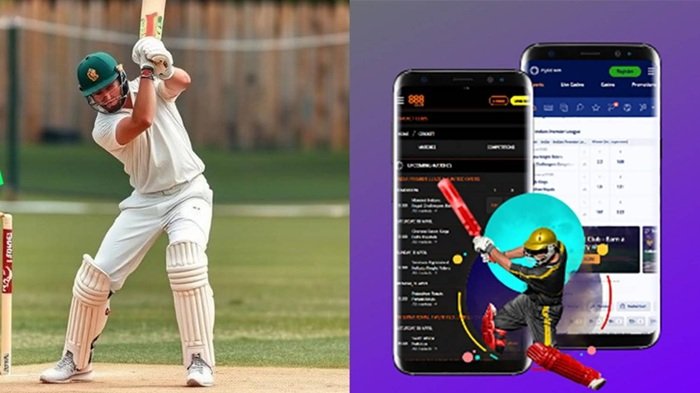
Live cricket creates short windows of attention. Users rarely sit with one screen for long and read every number in order. They check the page between overs, compare what changed, and try to understand the current picture before the next phase of the match begins. That behavior shapes what makes an odds page useful.
A screen can carry accurate information and still feel hard to use. The problem often comes from how the data is arranged, not from the data itself. When the layout feels noisy, the eye works too hard. When the structure feels clear, the same page becomes easier to trust and easier to reopen throughout the match.
The eye needs a clear starting point
The first detail is a strong top section. Users need one area that quickly answers the most basic question. What is happening right now. If the opening part of the page feels scattered, attention breaks before the user reaches the rest of the screen.
The second detail is visible change. Moving odds become easier to scan when the newest shift is easy to notice. A user should not need to compare every line one by one just to understand what moved since the last check. A page that highlights the latest change without creating visual chaos saves time and lowers hesitation.
The third detail is visual priority. Not every number deserves the same weight at the same moment. Better live pages guide the eye through importance. They show what matters now, what supports the main signal, and what can stay in the background until the user wants more detail.
This is why structure matters before explanation. Users do not begin with analysis. They begin with fast pattern reading. If the first pattern feels clear, the screen already feels more useful.
Short paths make quick checks easier
Between overs, users want a short route to the most useful part of the page. That is where cricket betting live odds become much easier to follow when the layout removes extra steps and keeps the key information close at hand. A page does not need to look minimal. It needs to make movement feel short.
This is the fourth detail. Clean navigation matters more than many teams expect. Users may want to move between the live view, match context, and related sections in a matter of seconds. If the path feels long or awkward, the screen starts to feel heavier than it should.
The fifth detail is easy re-entry. Mobile sessions are rarely continuous. A user checks the page, leaves for a score alert or a message, and returns after a short break. Good odds pages respect that pattern. They keep the main areas familiar and visible, so the next visit feels simple rather than confusing.
These two details shape comfort more than raw feature count. When the path is short and the return feels natural, the page fits the actual rhythm of mobile use. That makes quick scans between overs feel less like work.
Readable movement builds trust
The sixth detail is stable structure. A live page can update often without making the whole screen feel unstable. In fact, stability becomes more important when numbers keep moving. Users trust a page more when the main zones stay where they expect them to be.
The seventh detail is controlled updates. Change should feel current, but not chaotic. Some pages mistake motion for usefulness and overload the screen with too many competing signals. That usually creates more stress, not more clarity. Users need visible movement inside a steady frame.
This is where trust begins to form. A page that feels readable under pressure seems more dependable. A page that looks jumpy or crowded starts to feel less reliable, even when the information itself is correct. People often read confidence through structure long before they think about the reason directly.
A good live page keeps the newest information visible without turning every update into noise. That balance matters because users are checking the screen in brief, pressured moments. They need to understand the page quickly and move on with confidence.
Calm design works better under match pressure
The eighth detail is spacing. Good spacing reduces visual fatigue and gives the eye time to settle. On a small screen, this matters more than many designs acknowledge. Tight blocks, weak separation, and crowded groupings make scanning slower because the eye has to do extra sorting.
The ninth detail is page rhythm. Better odds pages feel calm even when the match itself does not. They create a flow that supports short attention windows. A user can land on the page, read the main update, glance at the next useful signal, and leave without feeling that the screen demanded too much effort.
A few simple design habits usually help here
- Clear breaks between main sections.
- Enough contrast to spot the latest movement.
- Short text blocks that do not interrupt scanning.
- A steady screen pattern that feels familiar each time.
Calm design should not be confused with dull design. A page can still feel active and current without becoming loud. In live cricket, that restraint often improves usability more than extra visual intensity.
Better pages respect how mobile attention actually works
The strongest odds pages succeed because all nine details work together. A clear top section gives the eye a starting point. Visible change reduces comparison work. Visual priority shows what matters first. Short navigation lowers friction. Easy re-entry supports real mobile behavior. Stable structure and controlled updates build trust. Spacing and rhythm make scanning lighter between overs.
What makes this important is the setting itself. Live cricket does not give users much patience. They return to the page in fragments. They check quickly. They leave quickly. They judge the experience before they fully process it. A useful screen understands that and shapes the information around the user’s real behavior, not around an ideal reading pattern.
That is why the best odds pages feel easy before they feel impressive. They do not win by showing more at once. They win by making the right things visible at the right moment. When that happens, the page becomes easier to scan, easier to trust, and easier to return to during the next over.